Home / Articles
Buried Suture Removal: What to Expect and How Recovery Works
Home / Articles
Buried Suture Removal: What to Expect and How Recovery Works
Last updated date: 11-Sep-2025
When patients hear the words “buried suture”, it often brings a mix of confusion and worry. Many people assume that sutures always dissolve on their own or are removed right after surgery. But in modern plastic surgery — especially in eyelid surgery, rhinoplasty, and facial contouring procedures — buried sutures are a common and essential part of the healing process.
These internal stitches are carefully placed beneath the skin or within deeper tissues. Their role is to stabilize surgical changes, support delicate structures, and help ensure that healing occurs in a way that looks natural on the outside. In most cases, buried sutures remain hidden and quietly do their job. Patients never even notice them.
However, not every body responds the same way. Sometimes, a buried suture can cause irritation, surface unexpectedly, or create small problems that require removal. At Gangnam Seoyon Plastic Surgery, we often see patients — both local and international — who feel anxious about this. They may ask:
“Why did my suture not dissolve?”
“Is it dangerous if I see something poking out?”
“Will removal hurt, and will it affect my results?”
This article will guide you through what buried sutures are, why they may need removal, what the procedure involves, and how recovery usually unfolds. Our goal is to give you a clear, honest picture so you can feel reassured and informed.
To understand buried sutures, it helps to imagine building a house. The visible stitches on the skin are like the finishing nails holding down trim. The buried sutures, however, are the steel beams inside the walls — unseen but essential.
Purpose: Buried sutures hold deeper tissue layers in place while wounds heal. They reduce tension on the skin, meaning smaller scars, and they give surgical structures stability during the fragile early phase of healing.
Materials: Surgeons may use absorbable sutures (designed to break down in the body over weeks or months) or non-absorbable sutures (intended to remain permanently unless they cause trouble). Each has its pros and cons, and the choice depends on the type of surgery and patient needs.
Common use in surgery:
Eyelid surgery (blepharoplasty): to create or maintain a crease while minimizing visible scars.
Rhinoplasty: to secure reshaped cartilage and ensure nasal structure stays balanced.
Facial contouring: to stabilize repositioned tissue or bone and reduce relapse risk.
Most patients don’t realize they have buried sutures — until they feel a small bump, notice a stitch surfacing, or experience irritation. It’s important to know that this is a normal part of healing for some individuals, not necessarily a surgical mistake.
In an ideal healing process, absorbable sutures dissolve naturally, and permanent sutures stay quietly hidden. But the human body has its own rhythm, and sometimes the response to foreign material is unpredictable.
Some common reasons buried sutures require removal include:
Suture extrusion – The stitch gradually works its way to the surface, appearing like a tiny thread under or through the skin.
Localized irritation – Patients may feel tenderness, see redness, or notice a small nodule.
Infection or inflammation – While rare, bacteria can reach the buried suture, causing localized swelling or discharge.
Allergic or sensitivity response – Some patients react to certain suture materials, especially with older permanent threads.
Overly tight placement – If the suture was under too much tension, it may cause pulling, discomfort, or minor distortion.
At Seoyon, we emphasize that the need for removal doesn’t necessarily mean the surgery was unsuccessful. It’s more often a reflection of how your body is interacting with the material. In fact, for revision specialists like Dr. Dong-il Choi, recognizing and addressing these situations early is a routine — and essential — part of patient care.
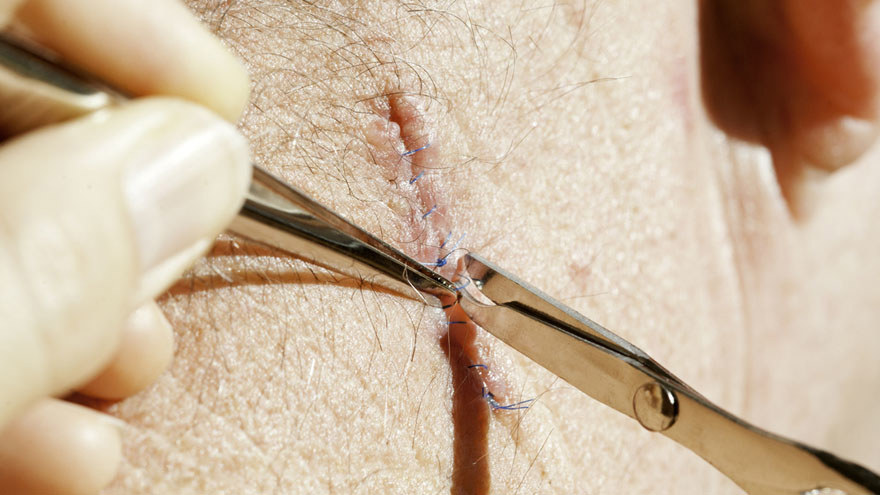
One of the biggest concerns patients have is: “Will it hurt?” The good news is that buried suture removal is usually a quick, low-pain procedure performed under local anesthesia.
Here’s a step-by-step look at what typically happens:
Assessment – The surgeon carefully examines the site to determine whether removal is necessary. Sometimes, what looks like a “problem suture” is actually harmless and best left alone.
Local anesthesia – A small injection numbs the area, ensuring comfort throughout the procedure.
Tiny incision – Using fine instruments, the surgeon makes a minimal opening in the skin, often within a natural crease or hidden location.
Retrieving the suture – The buried thread is carefully teased out without damaging surrounding tissue. This requires precision, especially in delicate areas like the eyelid or nose.
Cleaning & closure – The incision may be left to heal naturally or closed with a micro-stitch. The area is then cleaned and dressed.
The entire process usually takes less than 20 minutes. Patients are often surprised by how simple and tolerable it feels — especially compared to the anxiety they felt beforehand.
Recovery after buried suture removal is generally smooth and far less demanding than recovery from surgery itself. Still, each case depends on the area involved and the complexity of the suture placement.
Downtime: Most patients return to daily life immediately or within 24 hours.
Swelling & bruising: Usually mild, subsiding within a few days. Applying cold compresses can help.
Discomfort: A sense of soreness or tightness is common but manageable with simple pain relief.
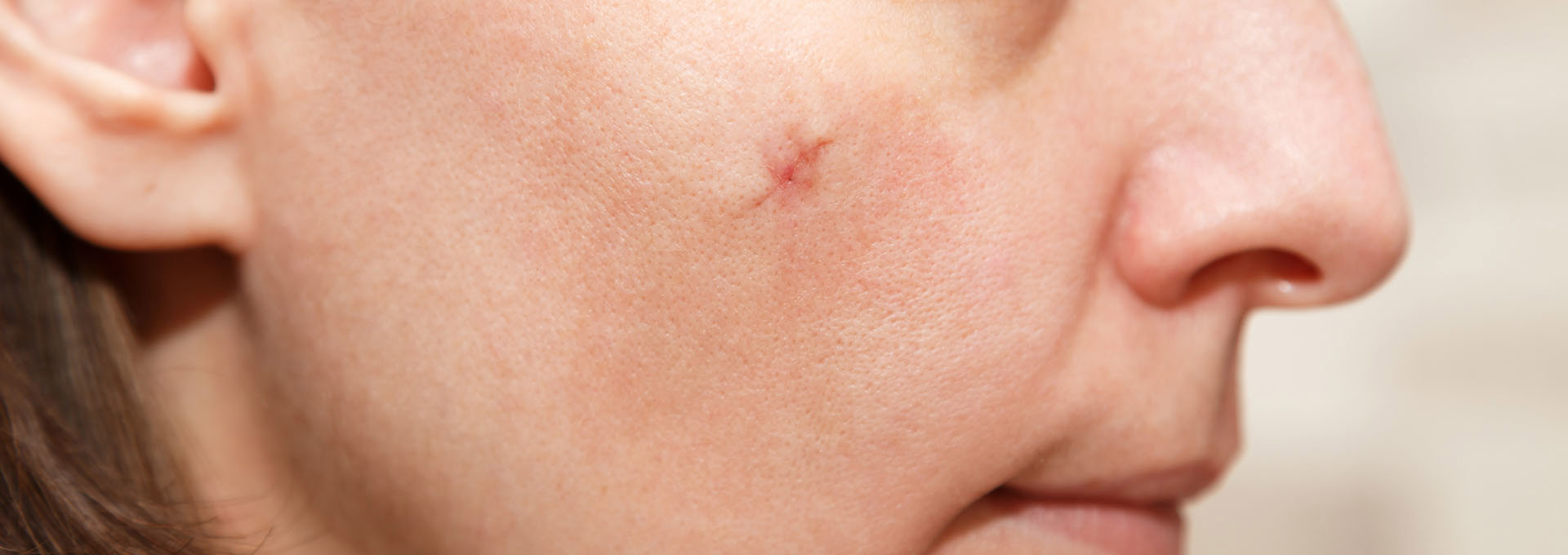
Scar risk: Because the incisions are so small, scars are minimal or invisible, especially when hidden in eyelid creases or nasal folds.
Follow-up: A short follow-up visit ensures the area is healing well.
From an emotional standpoint, many patients describe an immense sense of relief once the irritating suture is gone. It allows them to “move forward” in their healing journey without the distraction of discomfort or worry.
Even though recovery is simple, following aftercare instructions helps minimize risks:
Keep the area clean: Use gentle cleansing as directed by your surgeon.
Avoid irritation: Don’t rub, scratch, or press the site, especially in the first few days.
Pause makeup use: For eyelid or nose cases, wait until your surgeon clears you before applying cosmetics.
Use prescribed medications: Antibiotics or ointments may be recommended to prevent infection.
Watch for warning signs: Persistent redness, discharge, or worsening pain should prompt a call to your clinic.
At Seoyon, we remind patients that healing is not just physical. A suture issue can feel emotionally heavy — especially for patients who already invested time, hope, and energy into surgery. Compassionate follow-up is just as important as technical care.
Not every visible thread or minor bump requires buried suture removal. But evaluation is important if you experience:
Persistent redness or swelling at a surgical site
A stitch visibly poking through the skin
Local discomfort that does not improve with time
Recurrent infection or discharge
Aesthetic concerns related to suture tension
If you’re traveling from abroad or considering follow-up in Korea, know that Gangnam’s clinics are highly experienced in handling these issues. However, quality of care varies. Look for a safety-first clinic where the lead surgeon stays personally involved — from consultation to surgery to recovery. This reduces the risk of overlooked complications and ensures continuity of care.
Something often overlooked in medical explanations is the emotional side. For patients, a problematic suture can feel like more than a small thread — it can represent fear that their surgery didn’t “go right.” Some feel anxious that their results will be ruined, or embarrassed to bring it up with their surgeon.
To be honest, many patients don’t realize how common this is. At Seoyon, we tell them: “You are not alone. Even the best surgeries sometimes have sutures that behave unexpectedly.” Removing the stitch is usually a minor step — but it can restore peace of mind in a major way.
Buried sutures play a quiet but powerful role in modern plastic surgery, holding tissues in place and helping results look natural. Most of the time, they remain hidden and cause no issues. But when the body reacts differently, removal may be necessary.
Fortunately, buried suture removal is a simple, low-risk procedure with quick recovery. More importantly, it offers patients relief — both physically and emotionally.
At Gangnam Seoyon Plastic Surgery, we often remind patients: “It’s not about fixing what went wrong — it’s about helping your body heal in harmony again.” If you are unsure about a stitch, experiencing irritation, or simply want peace of mind, consider seeking a second opinion from a trusted clinic where patient safety and honest care come first.
Sometimes, the smallest stitch can feel like the biggest burden. Addressing it with care can make all the difference in your healing journey.
If you agree, anonymized data will be collected. You can change this choice at any time in your browser settings.