Home / Articles
How Xerf RF Skin Tightening Compares to Traditional Facelifts
Home / Articles
How Xerf RF Skin Tightening Compares to Traditional Facelifts
Last updated date: 30-Sep-2025
There comes a moment in many people’s lives when the reflection in the mirror no longer feels fully aligned with how they feel inside. The changes aren’t always dramatic — perhaps the jawline isn’t as sharp, the skin doesn’t “bounce back” the way it used to, or fine lines deepen into something more permanent. At that crossroads, patients often start exploring options to restore a refreshed, confident appearance.
Two treatments are frequently compared: non-surgical radiofrequency (RF) skin tightening technologies like Xerf RF, and traditional surgical facelifts. Both share the goal of rejuvenation, yet the path they take — and the kind of outcomes they deliver — are fundamentally different.
At Gangnam Seoyon Plastic Surgery, we often see patients torn between these two choices. They may ask: “Can RF treatments really replace a facelift?” or “Am I too young for surgery?” To answer these questions honestly, it’s important to understand not just how each option works, but also what they mean for you physically, emotionally, and long term.
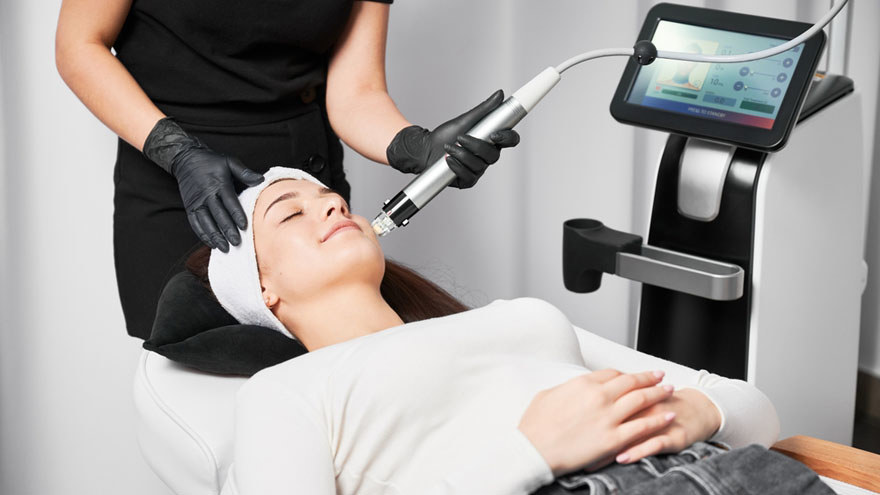
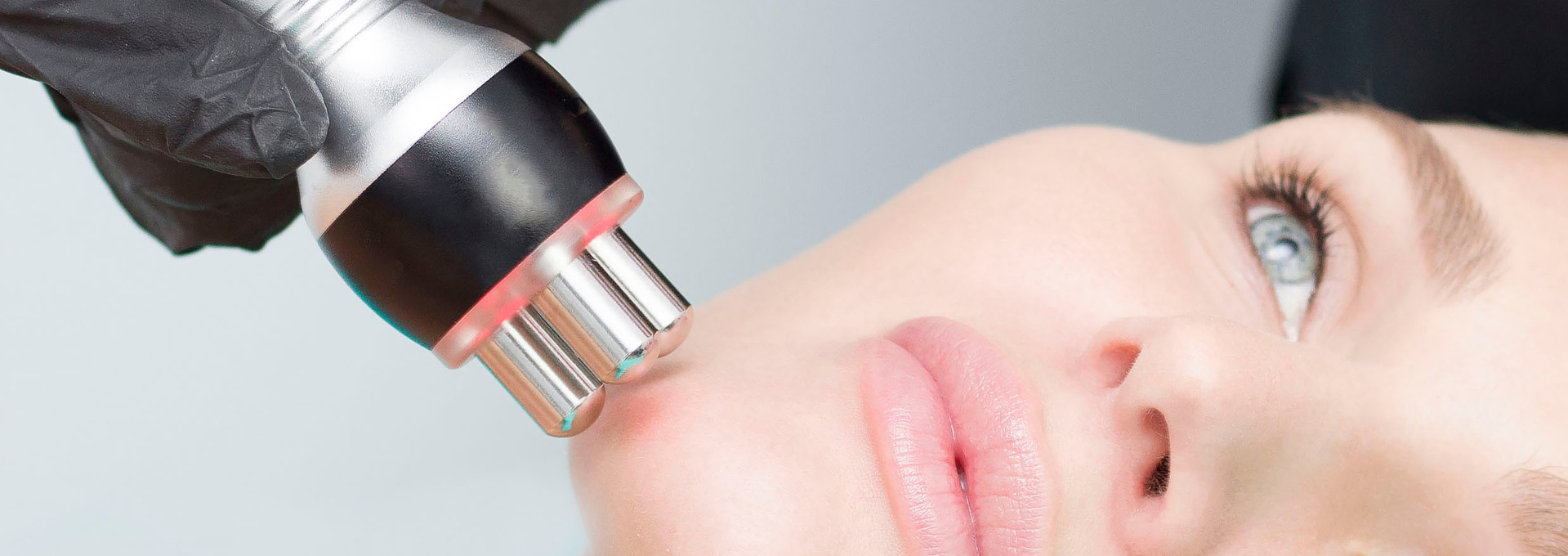
Xerf RF represents one of the most advanced forms of non-invasive skin tightening. It uses radiofrequency energy to gently heat the deeper dermal layers of the skin while keeping the surface protected. This controlled thermal stimulation encourages fibroblasts — the cells responsible for collagen production — to become active again.
Why is this important? Collagen is the scaffolding of youthful skin. Starting in our mid-20s, collagen production declines steadily, which is why skin gradually loses firmness and elasticity. By stimulating new collagen and elastin, Xerf RF essentially reminds the skin to behave younger, tightening existing fibers while building a stronger support network beneath the surface.
During treatment: A warming sensation, sometimes described as similar to a firm massage. Advanced cooling systems keep the surface comfortable.
After treatment: Mild redness or swelling that subsides within hours to a day.
Results: Skin gradually becomes firmer, smoother, and subtly lifted over the following 2–3 months.
For many, Xerf RF feels like a bridge between regular skincare and surgery. It’s not meant to replace surgical outcomes, but rather to delay the need for invasive procedures or maintain the results of past surgeries.
The facelift — or rhytidectomy — has been a cornerstone of facial rejuvenation for decades. Unlike RF treatments, which work through stimulation, a facelift is a surgical restructuring of the face.
During the procedure, a surgeon makes incisions (typically hidden along the hairline and around the ears), lifts the skin, and repositions deeper tissues such as the SMAS (superficial musculoaponeurotic system) layer. Excess skin is removed, and everything is carefully redraped for a smoother, firmer contour.
Advanced sagging: Heavy jowls, deep folds, or significant laxity that non-surgical devices cannot correct.
Immediate and dramatic improvement: Results are visible soon after swelling subsides, often lasting 8–12 years.
Comprehensive impact: Addresses not only the skin, but also the muscle layer that contributes to facial aging.
Facelifts demand a longer recovery compared to non-invasive treatments. Patients usually need 2–4 weeks before resuming normal routines, and initial swelling or bruising can take time to fade. But for those ready for a more transformative change, surgery remains the gold standard.
Although Xerf RF and facelifts share a goal, their approaches — and therefore their outcomes — differ significantly.
Xerf RF: Focuses on the skin layers, targeting collagen and elastin fibers. Best for mild to moderate laxity.
Facelift: Works on skin and deeper tissues, restoring structure at a foundational level. Suitable for advanced sagging.
Xerf RF: Gradual improvement, with results peaking at 2–3 months post-treatment. Maintenance sessions (once or twice a year) are recommended.
Facelift: Visible lifting once swelling subsides; results last up to a decade, though natural aging continues.
Xerf RF: Minimal downtime; most patients resume daily activities immediately.
Facelift: Requires structured recovery, with bruising and swelling lasting weeks. Careful follow-up is essential.
Xerf RF: Non-invasive; no cuts, no scars.
Facelift: Surgical incisions are permanent but typically hidden in natural creases or hairlines.
Xerf RF: Ideal for patients in their 30s–50s with mild to moderate laxity who want prevention or subtle refinement.
Facelift: Recommended for patients in their 50s–70s with significant sagging or those seeking a comprehensive, one-time reset.
To be honest, most patients don’t realize how much of the choice between RF and surgery is emotional. With Xerf RF, patients often say: “I still look like myself, just fresher.” That reassurance — of improvement without dramatic change — is comforting for many.
On the other hand, some patients feel frustration when non-invasive treatments don’t deliver the transformation they secretly hoped for. They may invest time and money into repeated sessions, only to realize that surgery would have given them the outcome they truly desired.
Conversely, we’ve met patients who rushed into surgery and later wished they had started with something gentler. A facelift is powerful, but it also comes with recovery, risks, and a permanence that requires readiness both physically and emotionally.
This is why at Seoyon, we emphasize honest consultations. Sometimes the most important thing isn’t the technology itself, but helping patients align expectations with reality.
It’s a misconception that non-surgical and surgical treatments are mutually exclusive. In practice, many patients benefit from combining the two at different stages of life.
Before surgery: Patients in their 30s or early 40s often use Xerf RF to maintain firmness and postpone the need for a facelift.
After surgery: RF treatments can extend surgical results by supporting collagen health and maintaining skin quality.
Targeted refinement: Even after a facelift, small areas such as under the chin or around the mouth can benefit from RF fine-tuning.
Think of it this way: the facelift restores the “frame,” while Xerf RF maintains the “canvas.” Together, they create harmony.
No treatment is without considerations. Understanding risks is key to making an informed choice.
Xerf RF: Generally very safe when performed with medical-grade equipment. Risks are minimal, but some patients may experience temporary redness, swelling, or tingling. Results are limited for advanced laxity.
Facelift: Risks include infection, scarring, nerve injury, or prolonged swelling. These are rare but must be carefully discussed with your surgeon.
At our clinic, safety protocols are deeply integrated into every step. Dr. Dong-il Choi’s one-doctor policy ensures that patients are under the same surgeon’s care from consultation to recovery — eliminating the risk of “ghost surgery,” which can unfortunately occur in high-volume clinics.
While finances should never be the only factor in medical decisions, cost is an undeniable part of the conversation.
Xerf RF: Lower upfront cost, but requires maintenance sessions. Over several years, cumulative expenses may add up.
Facelift: Higher upfront investment, but with results that last significantly longer.
Patients often find value in starting with Xerf RF in earlier years, then investing in a facelift when the timing feels right.
At Gangnam Seoyon Plastic Surgery, we believe beauty is not about chasing perfection but about achieving balance and authenticity. Whether a patient chooses Xerf RF or a facelift, our role is to guide them toward decisions that enhance confidence while preserving individuality.
Dr. Dong-il Choi often reminds our team:
“Surgery is not always the answer. Sometimes the most powerful change comes from subtle refinements that restore confidence without altering your essence.”
This philosophy is why our clinic offers both advanced revision surgeries for patients who need corrective procedures, and non-surgical treatments for those seeking prevention and maintenance. The right solution is never one-size-fits-all — it’s deeply personal.
If you’re weighing Xerf RF skin tightening versus a traditional facelift, consider asking yourself:
Do I want a subtle, no-downtime refresh that fits into my lifestyle?
Or am I seeking a more dramatic, long-term reset, even if it means undergoing surgery?
Neither choice is “better” — the right answer depends entirely on your stage of aging, your expectations, and your willingness to undergo recovery.
If you’re unsure which path is right for you, consider a second opinion at a clinic that values safety and honesty. At Gangnam Seoyon Plastic Surgery, every consultation is built around clarity — whether that means choosing Xerf RF today, preparing for surgery in the future, or finding the balance in between.
Because in the end, true beauty is not about erasing time — it’s about moving forward with confidence, authenticity, and peace of mind.
If you agree, anonymized data will be collected. You can change this choice at any time in your browser settings.