Home / Articles
Thick Double Eyelid Reduction: Creating a Softer, Natural Look
Home / Articles
Thick Double Eyelid Reduction: Creating a Softer, Natural Look
Last updated date: 12-Sep-2025
Thick double eyelid reduction surgery is a cosmetic procedure that is becoming increasingly popular among individuals who wish to soften or refine the appearance of their eyelid creases. For people with thicker, more pronounced eyelid folds, this surgery offers a way to achieve a more balanced, natural, and youthful look. The purpose of thick double eyelid reduction surgery is to create a subtler, more aesthetically harmonious eyelid crease that complements the natural contours of the eye, providing a softer and more proportional appearance. This procedure can make a significant difference in a person’s overall facial appearance and is often performed for both cosmetic and functional reasons.
Here, we’ll dive into a comprehensive look at the procedure, its benefits, risks, and recovery process, and explore what you need to know if you're considering thick double eyelid reduction surgery.
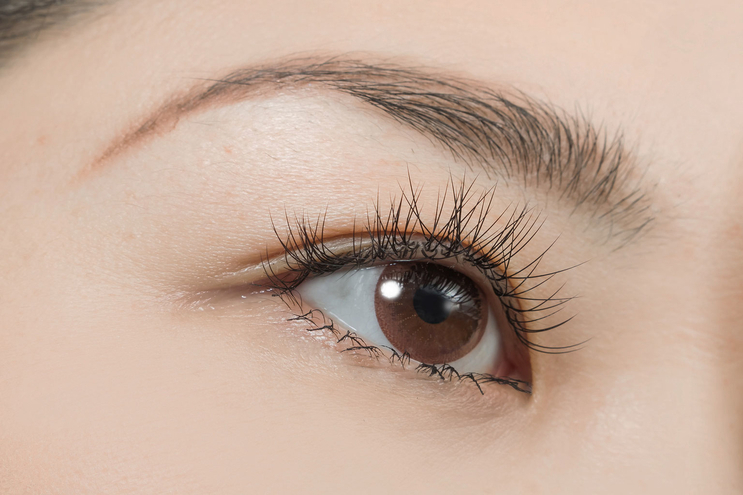
A thick double eyelid typically refers to a prominent or exaggerated fold in the eyelid, which can give the eyes a heavy or overdone appearance. For some, this is a natural characteristic; for others, it can develop due to factors such as aging, genetics, or lifestyle choices. Some individuals feel that a pronounced crease can make their eyes look tired or less expressive.
The primary goal of the thick double eyelid reduction procedure is to reduce the prominence of the fold, making it appear more natural and less bulky. This procedure is particularly popular among individuals of East Asian descent, where the eyelid structure and crease formation are unique. However, it can be performed on anyone seeking a more subtle eye appearance, regardless of ethnicity.
While double eyelids are considered a desirable trait in many cultures, a thick, overemphasized crease can sometimes appear too harsh. By carefully reducing the thickness of the fold, a surgeon can help create a more balanced, softer, and youthful look. This creates eyes that appear more relaxed and natural without the extreme definition of a thick eyelid crease.
Cosmetic procedures such as double eyelid reduction focus not only on the eyes themselves but also on improving the overall harmony of the face. The eyes are a focal point, and adjusting the thickness of the eyelid crease can help make the eyes appear more proportionate to the rest of the face. This may also help the patient feel more confident, as they are able to enhance a feature they feel is overly pronounced.
The thick double eyelid reduction surgery requires careful planning and precision. The procedure itself typically lasts between one to two hours, depending on the extent of the work needed. Here's a detailed overview of how the surgery is performed:
The journey begins with a thorough consultation with a board-certified surgeon specializing in eyelid surgery or oculoplastic surgery. During this initial consultation, the surgeon will evaluate the eyelid structure, skin thickness, and overall facial proportions. The goal is to understand the patient’s specific concerns, desired aesthetic goals, and to explain the expected outcomes of the procedure.
Your surgeon will also take detailed photographs, examine the position of the eyelid fold, and discuss the appropriate amount of tissue that should be removed. The surgeon will listen to your concerns to ensure that the procedure is customized to achieve your ideal result.
Thick double eyelid reduction surgery is generally performed under local anesthesia with sedation, which means the patient remains awake but relaxed. This allows the surgeon to precisely target the areas of the eyelid that require adjustment. In some cases, general anesthesia may be used, especially if the patient is undergoing additional procedures or prefers to be asleep throughout the surgery.
The procedure begins with the surgeon making small, well-placed incisions. These incisions are typically hidden in the natural crease of the eyelid or along the existing fold. The incision is extremely fine, and the surgeon takes great care to minimize scarring.
The surgeon then removes or reduces the excess tissue causing the eyelid fold to appear thick. The excess skin, fat, or muscle may be gently trimmed or repositioned. In some cases, a portion of the eyelid may be “thinned out” to create a more gradual crease, allowing for a subtler look. This process requires great skill and precision to ensure that the new fold is symmetrical and natural-looking.
Once the desired adjustment has been made, the incision is closed with fine sutures, which are typically dissolvable, eliminating the need for suture removal after healing. The surgeon will carefully inspect the eyelid to ensure that the new crease is both functional and aesthetically pleasing.
The aesthetic benefits of thick double eyelid reduction go beyond just reducing the thickness of the fold. This procedure is designed to create a more natural and balanced appearance, aligning the eyes with the rest of the facial features.
The primary benefit of this procedure is the creation of a more natural look. A subtle reduction in the thickness of the eyelid crease ensures that the eyes no longer appear overly dramatic or too heavy. A softer crease can contribute to a refreshed, youthful appearance that enhances the individual’s natural features.
Every person has a unique eye shape, and the amount of reduction needed will vary from patient to patient. A highly skilled surgeon will customize the approach based on your eye anatomy, ensuring that the new crease complements the natural shape of your eyes. This ensures that the final result is tailored to your personal aesthetic preferences, which is especially important in a procedure that focuses on such a delicate feature.
By softening the double eyelid crease, the eyes may appear more proportionate to the rest of the face. This can create a sense of harmony in your facial features, which may improve self-esteem and confidence. For individuals who feel that their eyes are too prominent or that their eyelid creases overpower their overall look, this procedure can help to create a more balanced and refined appearance.
The recovery process following a thick double eyelid reduction is relatively straightforward, though it is important to follow the surgeon’s instructions to ensure proper healing. Here’s an overview of what to expect during the recovery period:
Swelling and bruising around the eyes are common after any type of eyelid surgery. Most patients experience the most swelling in the first few days, which will gradually subside within the first two weeks. Bruising may also occur but should diminish within the first 10-14 days. Ice packs can help manage swelling during the initial recovery period.
For the first few weeks, patients are advised to avoid straining their eyes by limiting activities such as reading, watching TV, or using electronic devices. Rest is crucial during this period to ensure that the healing process is as smooth as possible. It’s also recommended to keep the head elevated while sleeping to minimize swelling.
After surgery, follow-up appointments are necessary to monitor the healing process and ensure that the eyes are healing correctly. Your surgeon will check for any signs of infection or complications and make sure that the new eyelid crease is forming as expected. This is also an opportunity for you to ask any questions and discuss your healing progress.
Most patients are able to return to normal activities within 1-2 weeks, although it may take several months for the final results to be visible as the swelling completely subsides. Full recovery typically takes around 3-6 months, with the new eyelid crease continuing to soften and settle into place during that time.
Like any surgical procedure, thick double eyelid reduction carries certain risks, which should be thoroughly discussed with your surgeon before proceeding. It’s important to have realistic expectations and understand the potential risks involved:
Infection: Any surgery carries a risk of infection, though this is uncommon when proper aftercare is followed. If an infection occurs, it can usually be treated with antibiotics.
Scarring: While scarring is minimal due to the fine incisions used, there is always a chance that a visible scar could form, especially if the incision doesn’t heal well. The surgeon will take every measure to minimize scarring, and many patients find that the scar fades over time.
Asymmetry: There is a possibility of slight asymmetry after the procedure. A skilled surgeon will work to achieve a symmetrical result, but minor differences between the two eyelids may occur during the healing process.
Overcorrection: In rare cases, too much tissue may be removed, leading to an overly thin or unnatural eyelid fold. This risk can be minimized with careful preoperative planning and precision during the procedure.
Choosing a highly experienced, board-certified surgeon specializing in eyelid surgery is key to achieving a safe and successful outcome. Be sure to review before-and-after photos of previous patients and ask about the surgeon’s experience in performing double eyelid reduction procedures.
Thick double eyelid reduction surgery can significantly enhance the appearance of the eyes, creating a softer, more natural eyelid crease that better complements the face. This procedure is highly customizable and can be tailored to meet individual aesthetic goals, whether to refine an existing double eyelid or reduce a crease that feels too pronounced. With proper care and a skilled surgeon, patients can achieve beautiful, balanced results that enhance their natural beauty.
If you agree, anonymized data will be collected. You can change this choice at any time in your browser settings.