Home / Articles
What Foods Help Speed Recovery After Plastic Surgery?
Home / Articles
What Foods Help Speed Recovery After Plastic Surgery?
Last updated date: 08-Nov-2025
Healing after plastic surgery isn’t only about what happens in the operating room. In truth, the recovery journey begins the moment you wake up — shaped by your rest, mindset, and even what you eat. At Gangnam Seoyon Plastic Surgery, we often remind our patients: your body heals using what you give it.
Food is more than comfort during recovery — it’s your body’s most natural medicine. The right nutrients can reduce swelling, improve circulation, strengthen immunity, and help you heal beautifully from the inside out.
To be honest, most patients don’t realize how powerful nutrition is until they experience it themselves. They notice bruises fading faster, less fatigue, and a calmer, clearer complexion as their body regains balance.
So what should you eat after surgery — and why does it matter so much? Let’s explore the foods that can truly support your healing process and optimize your results.
Every surgical procedure — whether it’s eyelid surgery, rhinoplasty, or facial contouring — creates controlled trauma to the tissues. The body’s response is a series of complex healing phases: inflammation, repair, and remodeling.
During these stages, your cells need nutrients to:
Rebuild collagen and elastin
Produce new skin and blood vessels
Manage inflammation
Fight infection
Regain overall energy and stability
When nutrition is inadequate, wounds may close slower, swelling may persist longer, and scarring can appear more noticeable. On the other hand, with proper nutrition, recovery tends to feel smoother, with reduced downtime and more predictable outcomes.
At Seoyon, Dr. Dong-il Choi emphasizes that beautiful results are not achieved by surgery alone. “The body needs resources to heal,” he often tells patients. “Surgical precision and proper postoperative nutrition work hand in hand.”
In essence, your diet becomes part of your aftercare plan — as crucial as medication or wound care.
If there’s one nutrient you shouldn’t overlook, it’s protein. Every incision, stitch, and repaired tissue depends on amino acids — the building blocks of protein — to rebuild strength and structure.
After surgery, your body’s protein requirements can nearly double. A shortage can delay wound closure and increase the risk of poor scar formation.
Lean meats: Chicken, turkey, pork tenderloin
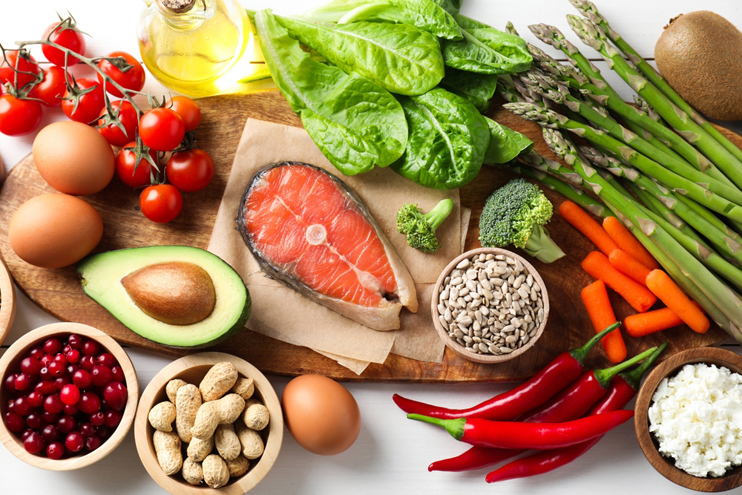
Fish: White fish for gentle digestion or salmon and mackerel for added omega-3s
Plant-based options: Tofu, beans, lentils, quinoa, or tempeh
Eggs and dairy: Soft-boiled eggs, Greek yogurt, or cottage cheese
At Seoyon, we recommend starting with soft, mild-tasting proteins for the first few days — particularly after facial or eyelid surgery, when chewing may feel uncomfortable. A bowl of warm tofu soup, steamed white fish, or smooth porridge with an egg is ideal.
Clinical studies show that increasing protein intake in the first two weeks can significantly shorten healing time and reduce postoperative complications. Think of it as giving your body the “construction materials” it needs to rebuild.
If protein is the building block, Vitamin C and Zinc are the construction managers — coordinating collagen synthesis, immune response, and tissue repair.
Supports collagen formation for smooth, resilient skin
Strengthens blood vessel walls, reducing bruising and redness
Boosts the immune system to prevent infection
Helps with wound healing and new cell formation
Regulates inflammation and promotes tissue growth
Enhances taste and appetite, which can drop after anesthesia
Citrus fruits (oranges, grapefruit), strawberries, kiwi, papaya
Bell peppers, broccoli, kale, and cabbage
Pumpkin seeds, cashews, oysters, and chickpeas (for zinc)
Korean favorites like persimmons and kimchi with fresh vegetables, which naturally provide Vitamin C
Many Seoyon patients who struggle with appetite after surgery find relief in smooth juices or light fruit blends — for instance, a mix of carrot, apple, and lemon. These deliver nutrients gently, even when chewing feels tiring.
After surgery, your body may lose fluids due to fasting, anesthesia, and medication. Even mild dehydration can slow the healing process, make you feel fatigued, and increase swelling.
Hydration keeps your lymphatic system working efficiently — which is crucial for flushing out anesthesia residues and reducing fluid retention (edema).
Warm barley tea or roasted corn tea: Gentle on the stomach and hydrating
Broth-based soups: Clear beef bone broth, seaweed soup, or miso soup replenish sodium and minerals
Coconut water or electrolyte drinks: Provide natural potassium for cellular recovery
Avoid excess caffeine, carbonated drinks, and alcohol, as they act as diuretics and worsen puffiness.
At Seoyon, patients often notice that simply drinking enough water — about 2 liters a day — helps swelling subside faster and skin tone recover more evenly.
Inflammation is part of healing — but excessive or prolonged inflammation can delay recovery and make bruising more noticeable. Nature offers gentle, anti-inflammatory foods that help the body rebalance naturally.
Fatty fish (salmon, sardines, mackerel): Omega-3s calm inflammation
Ginger and turmeric: Powerful natural anti-inflammatories — try as tea or in soups
Blueberries, tomatoes, spinach, and kale: Antioxidant-rich and skin-friendly
Avocados and olive oil: Contain healthy fats that soothe tissues and support vitamin absorption
It’s equally important to avoid foods that worsen inflammation, such as processed meats, fried foods, refined sugars, and salty snacks. These can prolong puffiness — especially noticeable after rhinoplasty or eyelid procedures.
A helpful tip from our nursing team: if swelling feels stubborn, combine proper hydration with anti-inflammatory foods and gentle lymphatic massage once your doctor approves. It’s a small lifestyle adjustment that can yield visible improvement.
Pain medications, anesthesia, and reduced mobility often lead to constipation after surgery — a small but common discomfort that can slow recovery.
A fiber-rich diet supports gut health, helps eliminate toxins, and keeps you feeling light and comfortable.
Oats and whole grains: Soft oatmeal or rice porridge
Cooked vegetables: Spinach, carrots, pumpkin, zucchini
Fruits: Bananas, pears, apples, and prunes
Probiotic foods: Yogurt, kefir, or probiotic drinks
Healthy gut bacteria also enhance immune resilience, which is critical during wound healing.
At Seoyon, we encourage patients to avoid heavy, greasy meals immediately after surgery. Instead, think “warm, gentle, and nourishing.” Healing isn’t only about what you see on your face — it’s also about how your body feels inside.
It can be tempting to reward yourself with your favorite foods once the anesthesia wears off, but a few ingredients can interfere with healing:
Spicy foods – May increase circulation to the face and worsen swelling
Salty or processed foods – Lead to fluid retention and puffiness
Alcohol – Slows down tissue repair and interferes with medications
Sugary snacks and drinks – Increase inflammation and can cause energy crashes
We like to remind our patients: every meal during recovery is part of your treatment plan. Think of your food as a continuation of your surgical care — quiet, nourishing, and purposeful.
Korean culture holds a deep belief in the healing power of food. After childbirth or illness, families traditionally prepare miyeok-guk (seaweed soup) — a comforting broth packed with minerals, iodine, and protein.
At Gangnam Seoyon Plastic Surgery, we often see patients rediscover this tradition after their procedures. Seaweed supports blood purification, improves iron levels, and helps reduce swelling. It’s both cultural wisdom and nutritional science in harmony.
We also see increasing interest in hanbang (traditional Korean herbal medicine) to support recovery. While we always advise consulting your surgeon before taking herbal supplements, certain teas — such as jujube or ginseng blends — can support circulation and overall vitality once your doctor approves.
It’s a beautiful reflection of our philosophy at Seoyon: recovery is not just biological; it’s holistic — combining modern surgical care with balanced, natural living.
Recovery is not a race. It’s a gradual, deeply personal process of returning to balance — physically, emotionally, and aesthetically.
Your body has just undergone a major transformation. Feeding it with care is an act of respect for that effort. Whether it’s a simple bowl of congee, a glass of warm water, or a colorful plate of fruits, each choice becomes part of your healing ritual.
For patients undergoing revision surgery — such as eyelid or rhinoplasty corrections — this balanced nutrition is especially important. Revision procedures require delicate tissue handling and optimal healing environments. The better nourished your body is, the smoother your recovery tends to be.
At Gangnam Seoyon, we’ve witnessed how thoughtful self-care — good food, proper rest, and emotional calm — accelerates not only physical healing but also the return of confidence.
If you’re preparing for plastic surgery or currently recovering, remember this: every beautiful result depends as much on recovery as it does on the operation itself.
Eating well is not just a lifestyle choice — it’s part of your medical care. By nourishing your body with clean, hydrating, protein-rich, and anti-inflammatory foods, you give yourself the best chance to heal gracefully and naturally.
If you’re unsure about what’s right for your specific procedure, speak with your surgeon or visit a clinic that prioritizes personalized recovery guidance.
At Gangnam Seoyon Plastic Surgery, under the leadership of Dr. Dong-il Choi, our team provides holistic post-surgical care — from early revision management to detailed nutritional support. Because we believe recovery should feel as natural and safe as the results you’ve chosen to achieve.
If you agree, anonymized data will be collected. You can change this choice at any time in your browser settings.