Home / Articles
What Happens If Buried Sutures Are Left Untreated?
Home / Articles
What Happens If Buried Sutures Are Left Untreated?
Last updated date: 01-Nov-2025
By Gangnam Seoyon Plastic Surgery, Seoul
After cosmetic surgery, it’s common for patients to feel small bumps or tightness beneath their incision lines. Many quietly wonder: “Is that normal? Or could something be wrong?”
In many cases, what you’re feeling is a buried or retained suture — an internal stitch that hasn’t completely dissolved. While this may sound concerning, it’s not always a serious issue. However, when a buried suture doesn’t break down properly or causes irritation, leaving it untreated can sometimes interfere with healing or affect the final aesthetic outcome.
At Gangnam Seoyon Plastic Surgery in Seoul — a clinic specializing in eyelid, nose, and facial contouring procedures — we often see patients who visit months after surgery done elsewhere, concerned about lingering suture bumps or discomfort. Understanding why this happens and how to handle it early can make a big difference in recovery, comfort, and long-term results.
Buried sutures, also known as deep dermal or subcutaneous sutures, are stitches placed beneath the skin to hold deeper layers of tissue together while healing. They are used in nearly all cosmetic surgeries to:
Support wound stability during early healing
Reduce tension on the surface incision
Minimize visible scarring
Promote smoother, more natural results
Unlike external stitches, which are removed within days, buried sutures are typically absorbable, meaning the body gradually breaks them down over several weeks or months.
These sutures are particularly important in facial and eyelid surgery, where every millimeter of skin tension affects the final look. Proper suture placement ensures that delicate areas heal with balanced tension and subtle, natural contour.
However, in some cases, a small segment of suture can become encapsulated by scar tissue or fail to fully dissolve — leaving a retained or “buried” suture behind.
Absorbable sutures are designed to disappear on their own, but several biological and technical factors can affect how well this process occurs.
Here are some common reasons:
Different absorbable materials dissolve at different rates.
For example, polyglycolic acid (PGA) sutures dissolve faster, while polydioxanone (PDO) sutures can last several months. If a slower-dissolving suture is used in thin skin, it may remain palpable for longer.
Every patient’s tissue environment is unique. Factors such as metabolism, skin thickness, hydration, and immune response all influence suture absorption. Some people’s bodies simply dissolve material more slowly.
If a knot is placed too superficially or under uneven tension, it may become trapped between tissue layers. Over time, this area can harden slightly, forming a small palpable knot or nodule.
During early healing, swelling and collagen remodeling can “seal in” a suture, delaying its breakdown or pushing it toward the surface later.
Even with meticulous technique, retained sutures can occasionally occur, especially in revision or scarred tissue where natural absorption pathways are altered.
The symptoms of a buried suture can vary. In mild cases, you might not notice anything at all. But in more visible or sensitive areas, the following signs may appear:
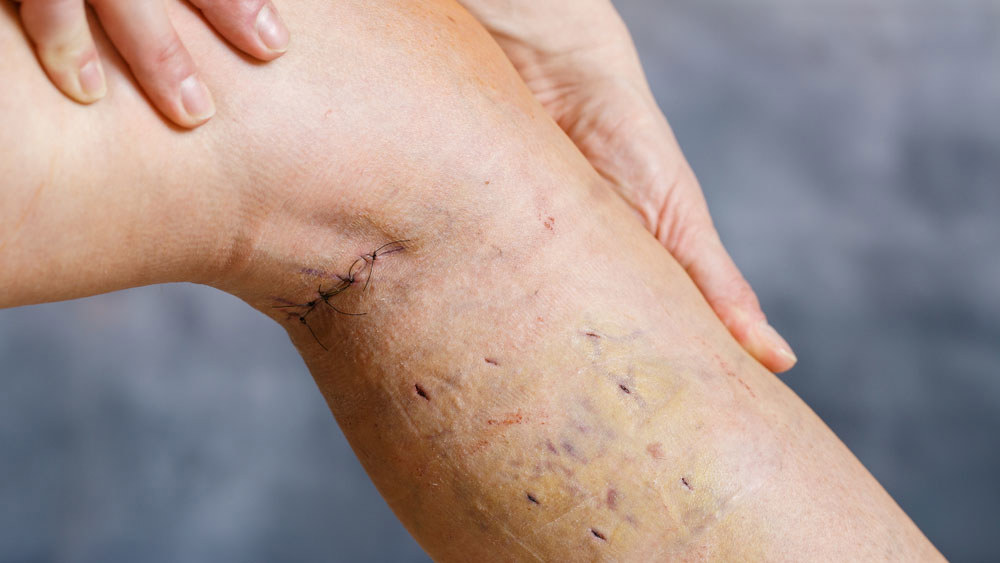
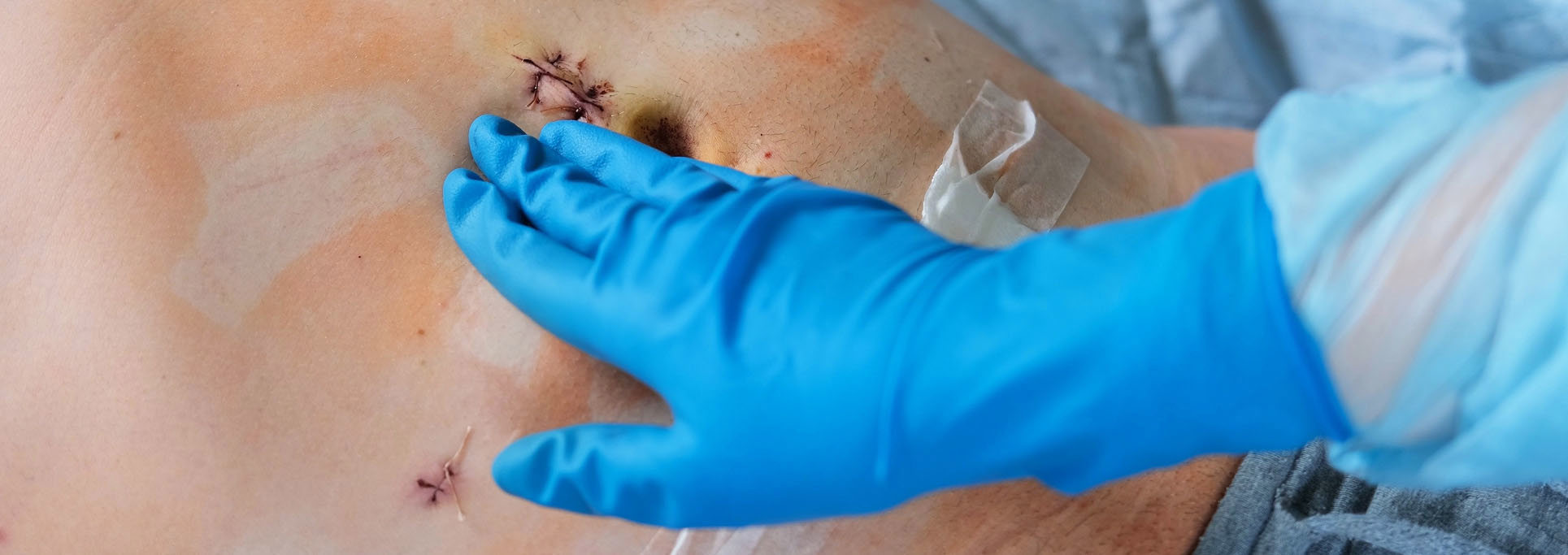
A small, firm bump or bead-like lump under the incision
Itching, tenderness, or tightness around the surgical line
Localized redness or warmth that doesn’t improve over time
A visible white or dark speck under or through the skin (the knot itself)
Occasionally, a small pimple-like opening or drainage spot
Patients often describe this as “something tiny under the skin that won’t go away.”
It’s important to distinguish this from normal scar firmness. A buried suture bump usually feels localized, unlike the broader firmness of maturing scar tissue.
If symptoms worsen — such as increasing redness, pain, or discharge — the area should be evaluated promptly, as it may indicate inflammation or infection.
In many cases, a small retained suture eventually dissolves or surfaces naturally. However, if it remains for months or triggers a foreign-body response, complications can develop.
The immune system may continue to attack the suture material, leading to chronic low-grade inflammation. This can cause redness, swelling, or tenderness that lingers for weeks.
A suture granuloma is a small nodule of inflamed tissue that forms around a foreign body. It’s the body’s way of “walling off” the irritant. While harmless, granulomas can distort the skin surface or alter the contour of delicate areas like the eyelid or nasal bridge.
Buried sutures can sometimes harbor bacteria if they become partially exposed. This may lead to localized infection, producing a pimple-like spot or small abscess.
In areas where aesthetics are critical, even a small irregularity can affect the final outcome. For instance, in eyelid or nose surgery, a retained suture may cause subtle unevenness that persists until the thread is removed.
At Seoyon, we’ve seen many patients who assumed these small bumps would “go away naturally.” Months later, they sought help for visible contour changes that could have been prevented with early intervention.
The key message: if you suspect a buried suture, don’t wait — a quick professional evaluation can save time and preserve your results.
Facial and eyelid procedures require exceptional precision because the skin is extremely thin and sensitive to irregularities. The eyelid, for example, is only 0.5 mm thick — meaning even the smallest internal knot can be felt or seen through the surface.
Additionally, revision surgeries often involve scarred or fibrotic tissue, where blood circulation and suture absorption are less predictable. This increases the risk of suture retention.
At Gangnam Seoyon Plastic Surgery, Dr. Dong-il Choi — a specialist in revision eyelid and rhinoplasty procedures — emphasizes depth control and tension balance when placing buried sutures.
As he often tells patients, “Every hidden stitch affects the surface harmony. Precision beneath the skin defines the beauty you see on the outside.”
If you notice a persistent bump or discomfort, it’s important to visit your surgeon or a qualified plastic surgery clinic. Treatment is usually simple, but the correct approach depends on the situation:
If there is no pain or redness, the surgeon may recommend observation, along with warm compresses or topical ointments. Sometimes the body dissolves or expels the suture naturally.
If the suture causes irritation or cosmetic concern, it can be safely removed through a minor, in-office procedure.
Using magnification and sterile micro-instruments, the surgeon gently extracts the suture through a pinpoint incision — often leaving no mark.
If infection is present, antibiotics or anti-inflammatory medication may be prescribed before removal. In rare cases of granuloma, a small steroid injection can help calm the area.
Most patients feel immediate relief once the retained suture is removed, and the area typically heals within days.
It’s natural to feel anxious when something doesn’t feel “perfect” after surgery. Many patients at our clinic share a quiet worry: “Did something go wrong? Did I heal incorrectly?”
The reality is that buried sutures are not a surgical failure — they’re a normal, manageable aspect of the healing process that sometimes needs a little help.
Still, the emotional stress is understandable. Cosmetic surgery involves trust and self-image, and any irregularity can feel unsettling. That’s why at Seoyon, we take post-surgical follow-up seriously.
We encourage patients to visit regularly, even months later, so we can ensure that every part of healing — visible or not — progresses smoothly.
Your confidence, not just your physical result, is our priority.
Prevention begins long before the stitches are placed. A combination of experienced surgical technique, appropriate materials, and attentive aftercare minimizes the risk of retained sutures.
Use of the right suture material: Matching the suture’s absorption rate to the tissue type ensures proper timing of dissolution.
Accurate depth control: Ensuring knots are buried at the correct layer prevents superficial visibility.
Tension balance: Avoiding excess tightness reduces irritation and extrusion.
Avoid rubbing or pressing the incision, especially during the first few weeks.
Follow-up care: Regular post-surgical checkups allow early detection of potential issues.
Report any new bumps or discomfort promptly to your surgeon.
Dr. Choi’s “one-doctor policy” at Seoyon ensures that the same surgeon oversees every stage of the process — from consultation to recovery. This consistency allows subtle healing changes to be tracked closely, reducing risks and improving long-term outcomes.
It’s time to schedule an appointment if you experience:
A bump or nodule that persists longer than two to three months
Redness, tenderness, or increasing pain at the incision site
A small hole or discharge from a healed scar
Tightness or discomfort under the skin that feels abnormal
Even if it turns out to be benign scar tissue, professional evaluation offers peace of mind and ensures optimal healing.
In aesthetic surgery, early attention always leads to better results than delayed correction.
Buried sutures are a normal part of healing — but when they don’t dissolve as expected, proactive care can make all the difference.
Left untreated, a small internal stitch can sometimes cause irritation, inflammation, or contour irregularities. Fortunately, most cases are easily managed with gentle, precise intervention.
At Gangnam Seoyon Plastic Surgery, we believe that beauty isn’t just created in the operating room — it’s maintained through attentive, honest follow-up care.
Whether you’re recovering from an eyelid lift, rhinoplasty, or revision surgery, remember: the smallest details beneath the surface often define the beauty you see on the outside.
If you suspect a buried suture or have concerns about your healing process, consider visiting a clinic that prioritizes safety, precision, and continuity of care — like Gangnam Seoyon Plastic Surgery in Gangnam, Seoul.
If you agree, anonymized data will be collected. You can change this choice at any time in your browser settings.