Home / Services
SMAS Facelift
Home / Services
SMAS Facelift
As we age, our facial skin begins to lose elasticity, leading to sagging, deep wrinkles, and a tired appearance. While topical treatments and non-invasive methods can help to some extent, individuals seeking dramatic, long-lasting results often turn to surgical options—one of the most effective being the SMAS facelift.
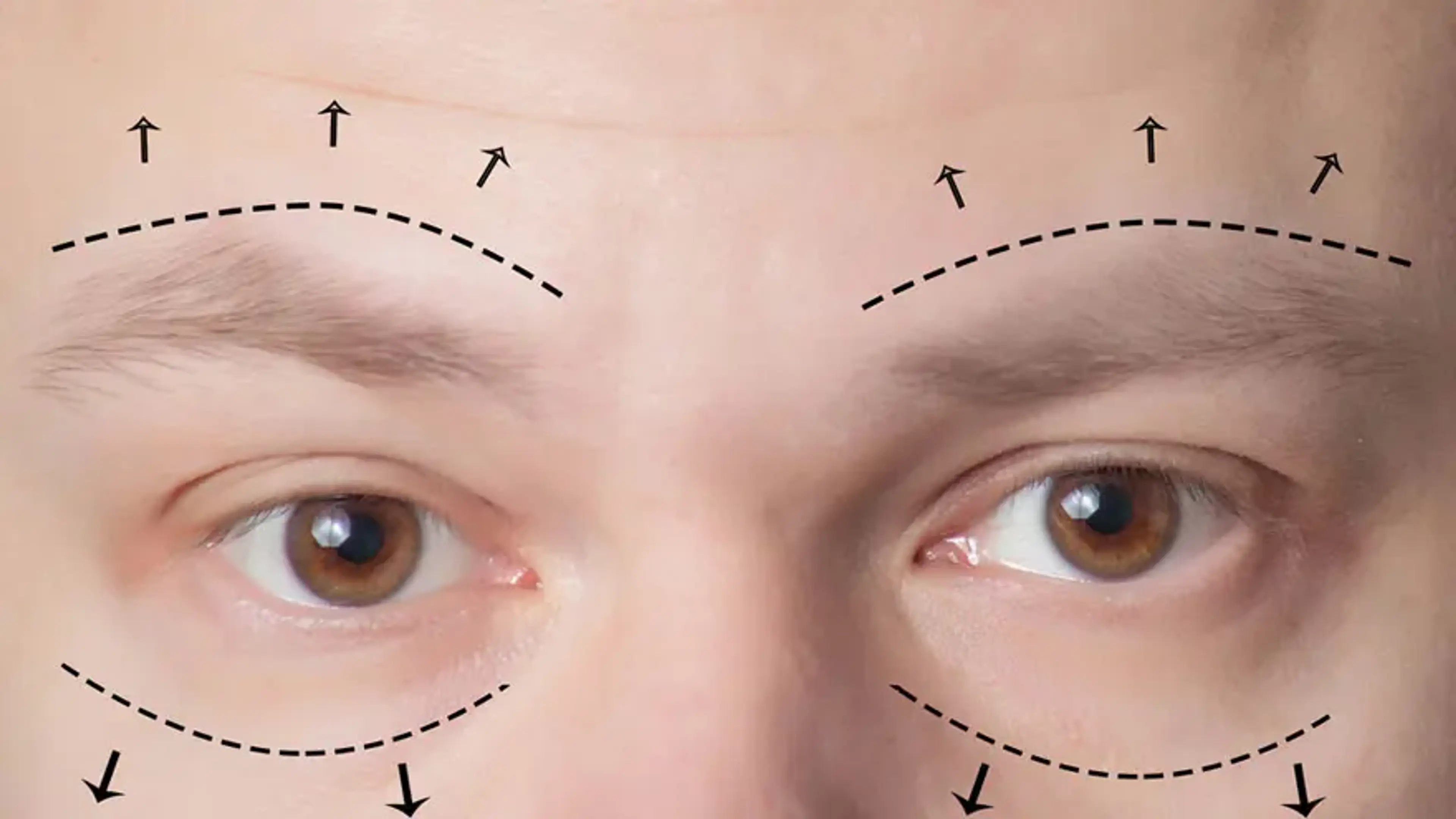
The SMAS facelift, also known as the Superficial Musculoaponeurotic System facelift, is a gold-standard procedure in facial rejuvenation. Unlike traditional facelifts that only tighten the skin, this technique targets deeper facial structures, providing more natural and durable results.
A SMAS facelift is a surgical procedure that lifts and tightens the SMAS layer—a fibrous network of muscles and connective tissue located beneath the skin and fat. This layer plays a significant role in facial expression and aging. Over time, the SMAS becomes lax, contributing to drooping cheeks, jowls, and nasolabial folds.
By repositioning and securing the SMAS layer, a surgeon can restore youthful contours, improve skin tension, and enhance facial harmony. The result is not just tighter skin, but a refreshed appearance that looks natural and elegant.
Choosing a SMAS facelift offers several distinct advantages, particularly for patients experiencing moderate to severe signs of aging.
Unlike superficial skin lifts, the SMAS technique addresses the root cause of facial sagging. Because the underlying muscle layer is repositioned, results typically last 10 years or more.
Skin-only facelifts can sometimes look tight or pulled. In contrast, SMAS facelifts lift the entire facial structure in harmony, avoiding an unnatural or “windblown” appearance.
This procedure improves multiple areas of the face simultaneously:
Midface sagging
Deep smile lines (nasolabial folds)
Jowls and jawline definition
Neck laxity (when combined with a neck lift)
By elevating deeper tissues, the overlying skin is gently re-draped without excessive tension. This helps preserve skin integrity and minimize visible scarring.
A SMAS facelift is ideal for individuals who:
Are in their 40s to 70s
Have noticeable sagging in the mid to lower face
Want long-lasting, natural-looking facial rejuvenation
Are in good general health with realistic expectations
Patients with mild aging may benefit from non-invasive methods or a mini facelift, while those with more advanced signs of aging can achieve dramatic improvements with the SMAS approach.
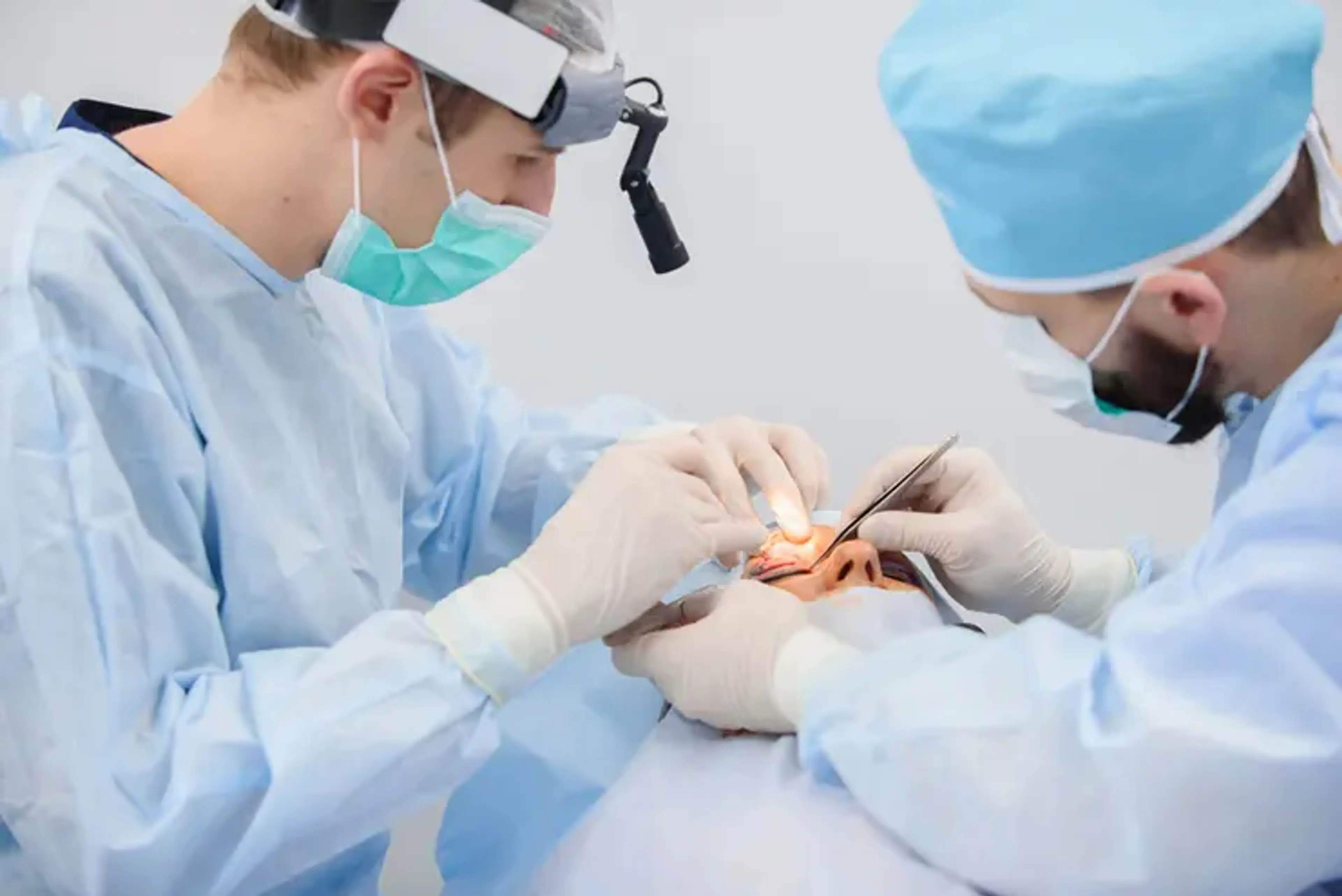
The SMAS facelift is typically performed under general anesthesia or local anesthesia with sedation, depending on the patient's condition and the surgeon’s recommendation. Here’s an overview of the surgical steps:
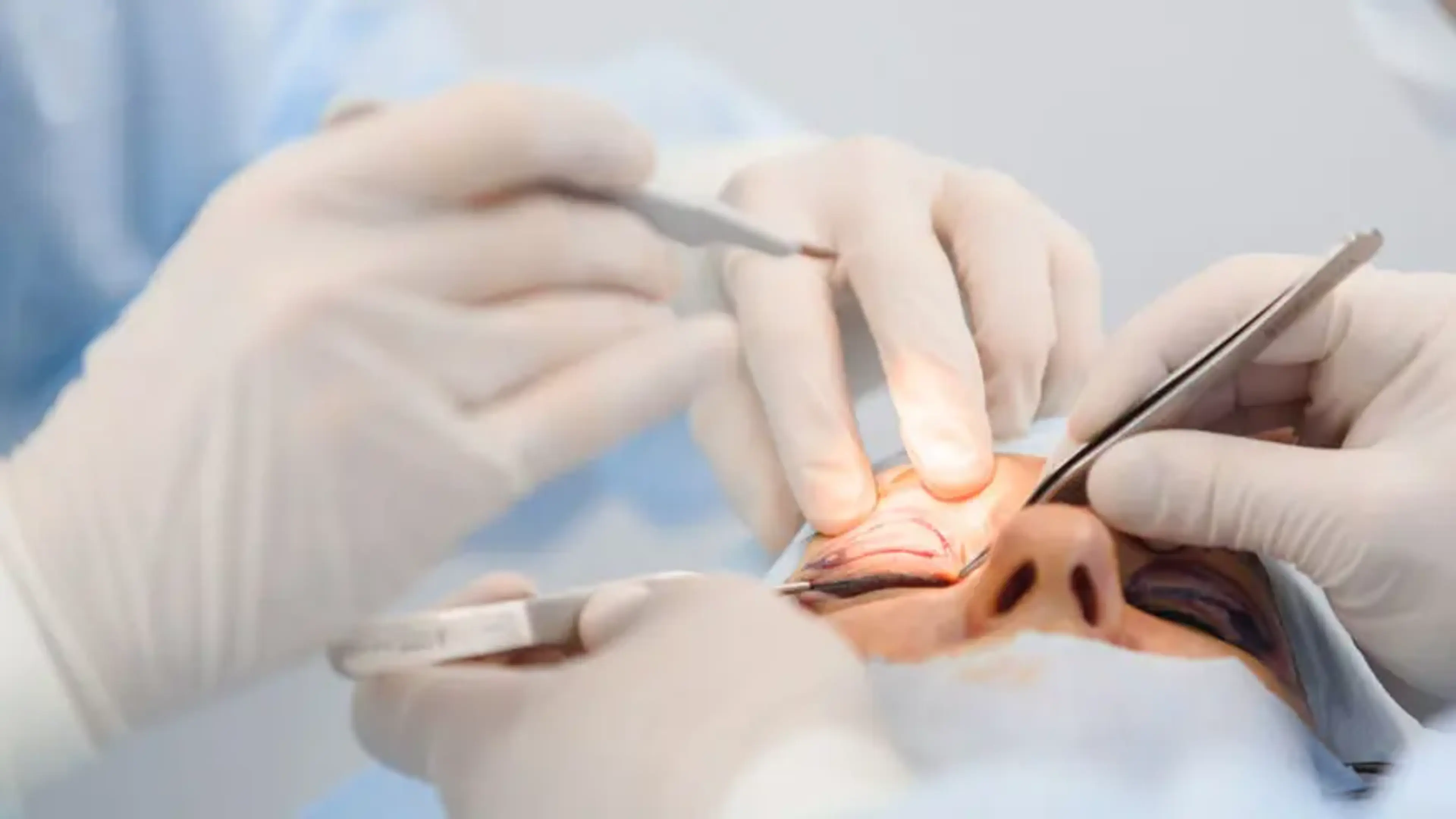
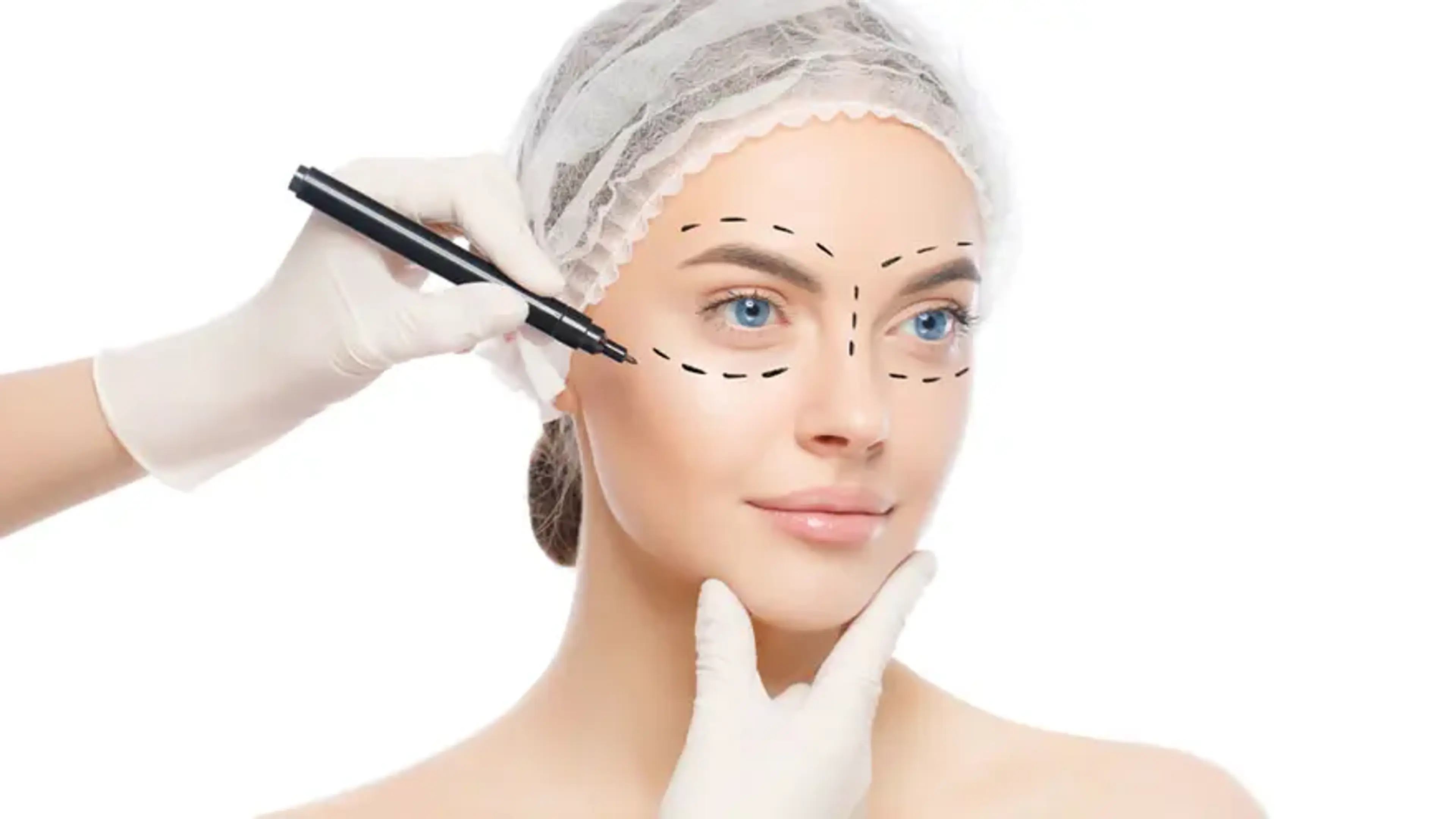
A discreet incision is made starting near the temporal hairline, extending around the ear, and possibly continuing into the lower scalp. This allows the surgeon to access the deeper layers without visible scarring.
The skin is gently lifted, exposing the SMAS layer. The surgeon elevates, repositions, and secures the SMAS to its more youthful position using sutures.
After the SMAS is adjusted, the overlying skin is carefully redraped, and any loose or excess skin is trimmed away.
The incisions are closed with fine sutures, and a dressing or compression bandage is applied to support healing and reduce swelling.
While recovery varies by individual, here’s a general timeline of what to expect:
Days 1–3: Mild discomfort, swelling, and bruising are common. Pain is usually well-controlled with prescribed medication.
Day 5–7: Stitches may be removed. Swelling begins to subside.
Week 2: Most patients can return to work or light activities.
Week 4–6: Bruising resolves, and final results become more visible.
3–6 Months: Full healing and final contour refinement are typically complete.
Post-operative care is essential to optimize results. This includes avoiding strenuous activity, keeping the head elevated, and following your surgeon’s instructions closely.
Feature | SMAS Facelift | Traditional Facelift |
|---|---|---|
Target Layer | Deep muscle (SMAS layer) | Skin only |
Longevity | 8–12 years | 3–5 years |
Results | Natural, three-dimensional rejuvenation | Superficial tightening |
Invasiveness | Moderate to high | Moderate |
Recovery Time | 2–4 weeks | 1–2 weeks |
Suitability | Moderate to severe aging | Mild to moderate aging |
A SMAS facelift is often considered the superior option for long-term, natural facial rejuvenation.
As with any surgical procedure, there are potential risks, though complications are rare when performed by a skilled surgeon. These may include:
Bruising and swelling
Temporary numbness
Scarring (usually well-concealed)
Hematoma or infection (rare)
Nerve injury (very rare)
To minimize risks, it’s crucial to choose a board-certified plastic surgeon with experience specifically in SMAS facelift surgery.
To further enhance the effects of a SMAS facelift, patients may consider additional procedures, such as:
Neck Lift: To address sagging in the neck and under-chin area
Eyelid Surgery (Blepharoplasty): To rejuvenate tired-looking eyes
Fat Grafting: To restore facial volume lost with age
Laser Skin Resurfacing: To improve skin texture and tone
These procedures can often be performed during the same session for a complete transformation.
The SMAS facelift is one of the most advanced and effective surgical options for reversing the visible signs of facial aging. By targeting deeper layers of tissue—not just the skin—it provides natural, long-lasting rejuvenation that restores youthful contours and boosts confidence.
If you’re seeking a facelift procedure that delivers more than just skin-deep results, the SMAS technique offers a proven, gold-standard approach to full facial renewal.
Meet our experienced and compassionate team of healthcare professionals.
Gain valuable insights and knowledge through our informative healthcare articles.
If you agree, anonymized data will be collected. You can change this choice at any time in your browser settings.